
If you are a New Hampshire homeowner, your roof is your first line of defense against some of the most unforgiving weather in the United States. From the humid summers of the Seacoast to the record-shattering snow loads of the White Mountains, our homes endure a brutal “freeze-thaw” cycle that can age a roof prematurely.
When you notice curling shingles or granules in your gutters, two questions immediately dominate the conversation: “What is the actual cost for roof replacement in 2026?” and “Is it too late in the year to get this done?”
In this comprehensive guide, we’ll break down the seasonal pros and cons of an NH roof replacement, the surprising reality of winter roofing, and a transparent look at the current costs for Granite State homeowners.
1. The Seasonal Calendar for NH Roof Replacement
In New Hampshire, the “ideal” window for roofing is shorter than in southern states. Timing your project correctly can affect both your scheduling and your final invoice.
Fall (September – November): The “Golden Window”
Most contractors agree that autumn is the best time for a roof replacement in NH.
The Benefit: Temperatures between 45°F and 75°F are the “sweet spot” for asphalt shingles. The moderate heat allows the self-sealing adhesive strips to create a permanent thermal bond without the shingles becoming too soft or too brittle.
The Downside: Because it’s the best time, it is also the busiest. You may face 8-to-12-week lead times, and the cost for roof replacement often peaks in the fall due to high demand.
Spring (April – June): The Post-Winter Recovery
As the snow melts, hidden damage from ice dams often reveals itself in the form of brown ceiling stains.
The Benefit: Getting a jump on your replacement in early spring ensures your home is watertight before the humid, heavy thunderstorms of July arrive.
The Downside: “Mud Season” can make heavy equipment access difficult. Additionally, frequent spring rains can lead to “stop-and-go” schedules that may stretch a two-day project into a week.
Summer (July – August): High Heat and Long Days
The Benefit: Maximum daylight hours allow crews to complete complex, 3,000+ sq. ft. roofs with incredible speed.
The Downside: Extreme NH humidity and temperatures above 90°F can make shingles “scuff” under the boots of installers. Reputable local crews typically start at 6:00 AM to finish before the midday sun hits.
Also Check: Choosing Professional Roofing Repair Contractors
2. Can You Replace a Roof in the New Hampshire Winter?
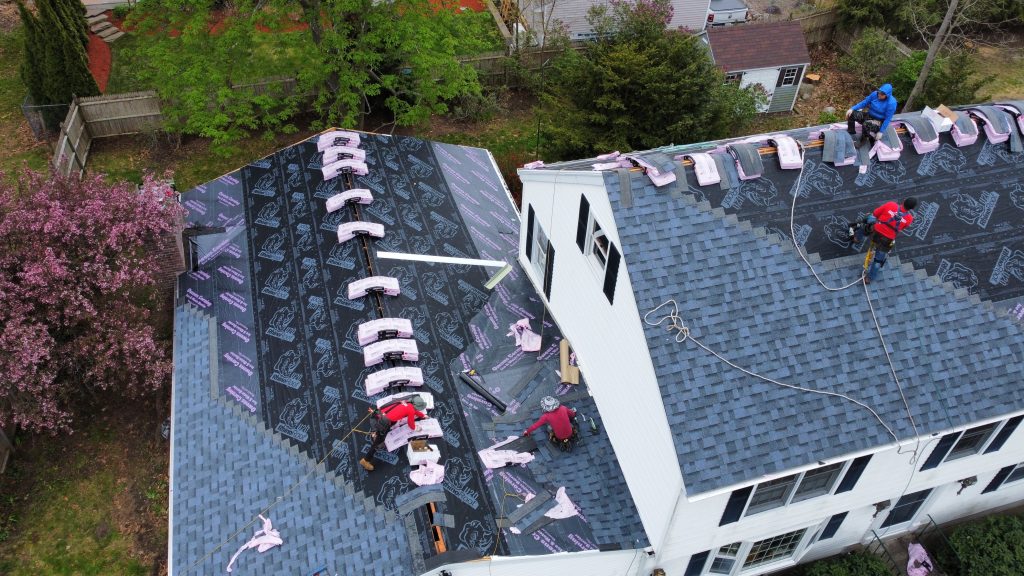
The short answer is yes. While many believe roofing stops when the ground freezes in Manchester or Concord, professional crews work year-round. However, winter roofing requires specialized “Cold Weather Protocols.”
The Challenges of Cold-Weather Installs
Adhesive Failure: Shingles rely on a tar-like sealant that melts in the sun to “lock” them together. In January, the sun isn’t strong enough to trigger this.
Brittleness: When temperatures drop below 40°F, asphalt shingles become less flexible and can crack if nailed improperly.
How NH Pros Master Winter Roofing
To ensure a winter roof replacement in NH is just as durable as a summer one, expert contractors use these techniques:
Hand-Sealing: Since the sun won’t seal the shingles, crews manually apply three “dots” of roofing cement to every single shingle to prevent wind uplift during a winter gale.
“Hot Boxes”: Shingles are kept in heated trailers or “hot boxes” until the moment they are ready to be installed, keeping them flexible for the installers.
The Metal Option: Metal roofing is the “cheat code” for winter. Since metal doesn’t rely on adhesives or flexibility, it can be installed in sub-zero temperatures with zero loss in quality.
Also Check: The Full Roof Replacement Process: A Clear Step-by-Step Guide
3. 2026 Data: Cost for Roof Replacement in NH
Budgeting for a new roof in New Hampshire is different than in other states because our building codes are stricter due to snow load requirements. In 2026, here is what you should expect to pay:
Estimated Costs by Home Size (Full Replacement)
Local Factors That Impact the Price
Ice and Water Shield (NH Code): In New Hampshire, code usually requires a waterproof membrane installed at least 2 feet past the interior wall line. This is the only way to stop water from backing up during an ice dam. This adds roughly $1,000–$2,000 to a standard quote.
Plywood Decking: Our damp climate often leads to “soft” or rotted plywood. Replacing a sheet of 5/8″ plywood in 2026 costs roughly $95–$125 per sheet, including labor.
Tear-Off Fees: If your home has two layers of old shingles (common in older NH homes), the labor to strip it down to the wood will increase your cost by 15–20%.
4. Why Waiting Until Spring Can Be a $10,000 Mistake
If your roof is already showing signs of failure, “waiting for better weather” is a high-stakes gamble.
Ice Dam Destruction: A compromised roof will allow water to pool behind ice dams in February. This water doesn’t stay on the roof; it enters your walls, ruins insulation, and breeds mold.
Material Inflation: Traditionally, roofing manufacturers announce price increases in January or February. Booking a winter roof replacement in NH often allows you to lock in the previous year’s pricing.
Contractor Availability: In June, you might wait 10 weeks. In January, a top-tier crew can often start in 10 days.
5. Frequently Asked Questions (NH Homeowners)
Q: What is the average lifespan of a roof in New Hampshire?
In our climate, a standard 3-tab shingle roof typically lasts 15–18 years. High-quality architectural shingles can last 25–30 years, while a standing seam metal roof can easily exceed 50 years.
Q: Does New Hampshire require a permit for roof replacement?
Yes. Most NH towns (like Nashua, Manchester, and Portsmouth) require a building permit. These typically cost between $150 and $500. A reputable contractor should handle the permit process for you.
Q: Do you handle insurance claims?
We repair storm and wind damage; insurance claims are between you and your insurer.
Q: Can I put a new roof over my old one to save money?
While NH code may allow for two layers of shingles, we strongly discourage it. A “lay-over” traps heat, shortens the life of the new shingles, and prevents the contractor from inspecting the plywood for rot. It’s a “penny wise, pound foolish” decision.
Q: What is the best color for a roof in NH?
Darker colors (Charcoal, Black) are popular in New Hampshire because they help absorb solar heat in the winter, which can assist in melting snow and reducing ice dam formation.
Q: How long does the actual installation take?
For an average 2,000 sq. ft. home, a professional NH crew can complete the tear-off and installation in 1 to 2 days, provided the weather cooperates.
Also Check: Should I Stay Home During a Roof Replacement?
Final Thoughts: Protecting Your Granite State Investment
Whether you choose the traditional value of architectural shingles or the “forever” protection of a metal roof, the best time for a roof replacement in NH is before the leaks start.
By understanding the local costs and the reality of seasonal installations, you can make a choice that protects your home and your wallet. Don’t let another New England winter put your family’s safety at risk.

